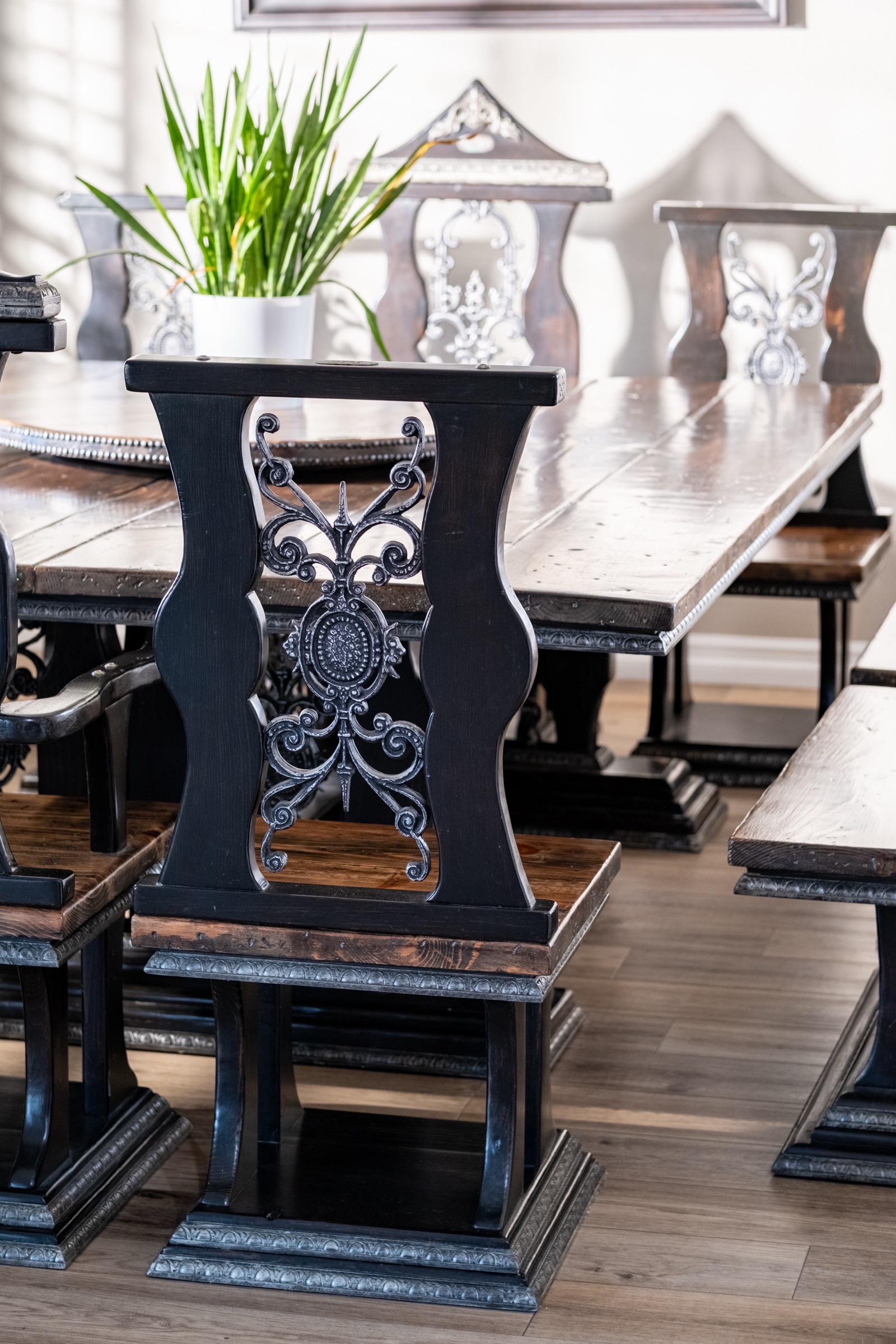
Walk into a gallery and you’ll find art you’re not supposed to touch. Walk into a furniture showroom and you’ll find pieces built to disappear into a room.
Jenniver Lawrence builds neither.
The Space Between
Functional art lives in the space between gallery and showroom. It’s a dining table that commands a room the way a sculpture would — but you sit at it every night. It’s a dry bar that stops guests mid-conversation — but you pour drinks from it.
The distinction matters. Furniture solves a problem. Art provokes a feeling. Functional art does both, simultaneously, without compromising either.
Why “Custom” Is the Point
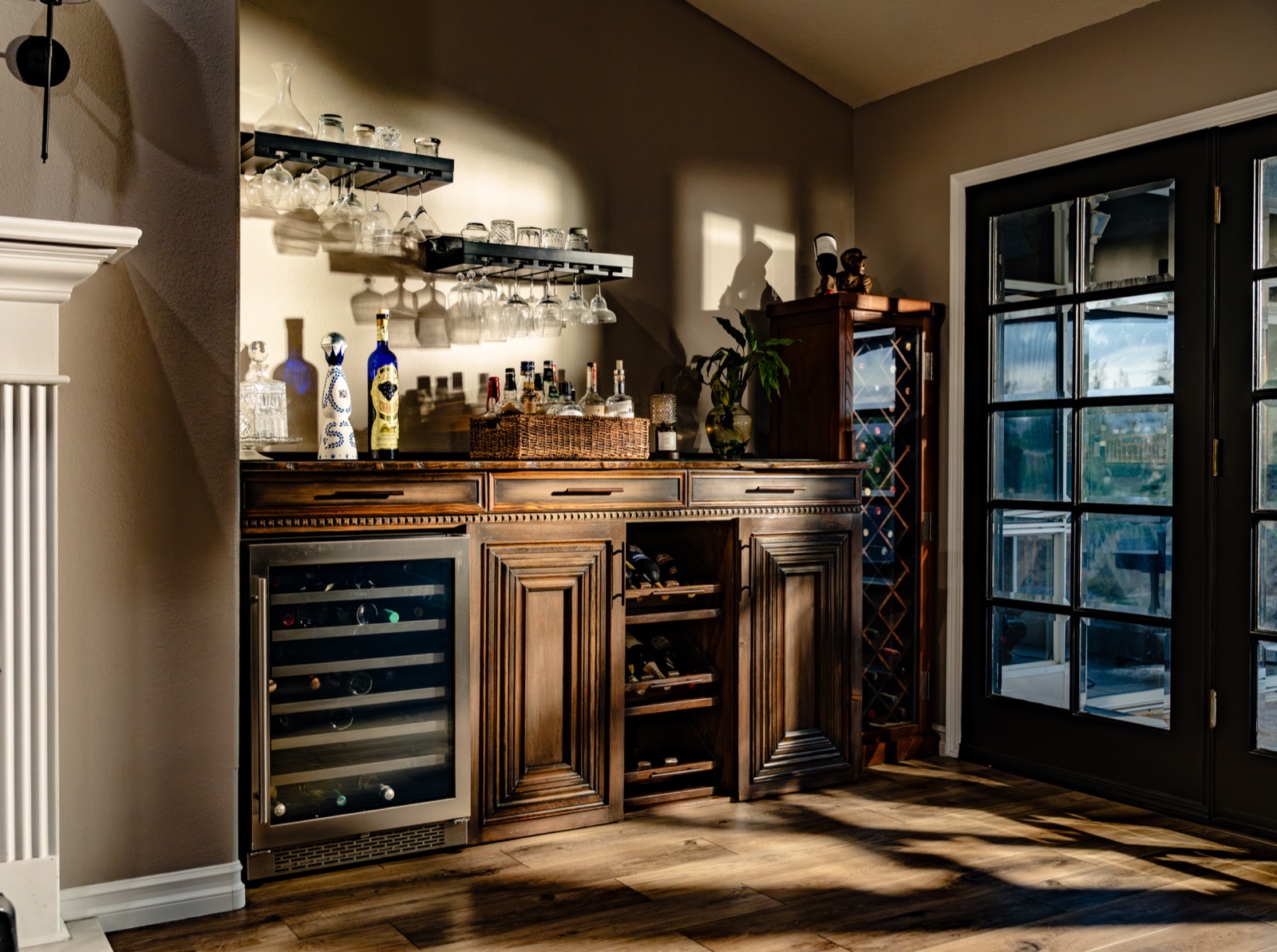
Mass-produced furniture is designed for a room. Custom functional art is designed for your room — your dimensions, your light, your family’s rituals, your story.
When Jenniver takes a commission, she doesn’t start with a catalog. She starts with a conversation:
- What’s the space?
- How do you live in it?
- What feeling do you want when you walk into the room?
- Is this for now, or is this a piece you want your grandchildren to inherit?
The answers shape everything — proportions, materials, finish, name.
Every Piece Has a Name
This is one of the details that separates functional art from furniture. Jenniver names every piece. Empress Theodora. Reginald. King Charles. Castinian.
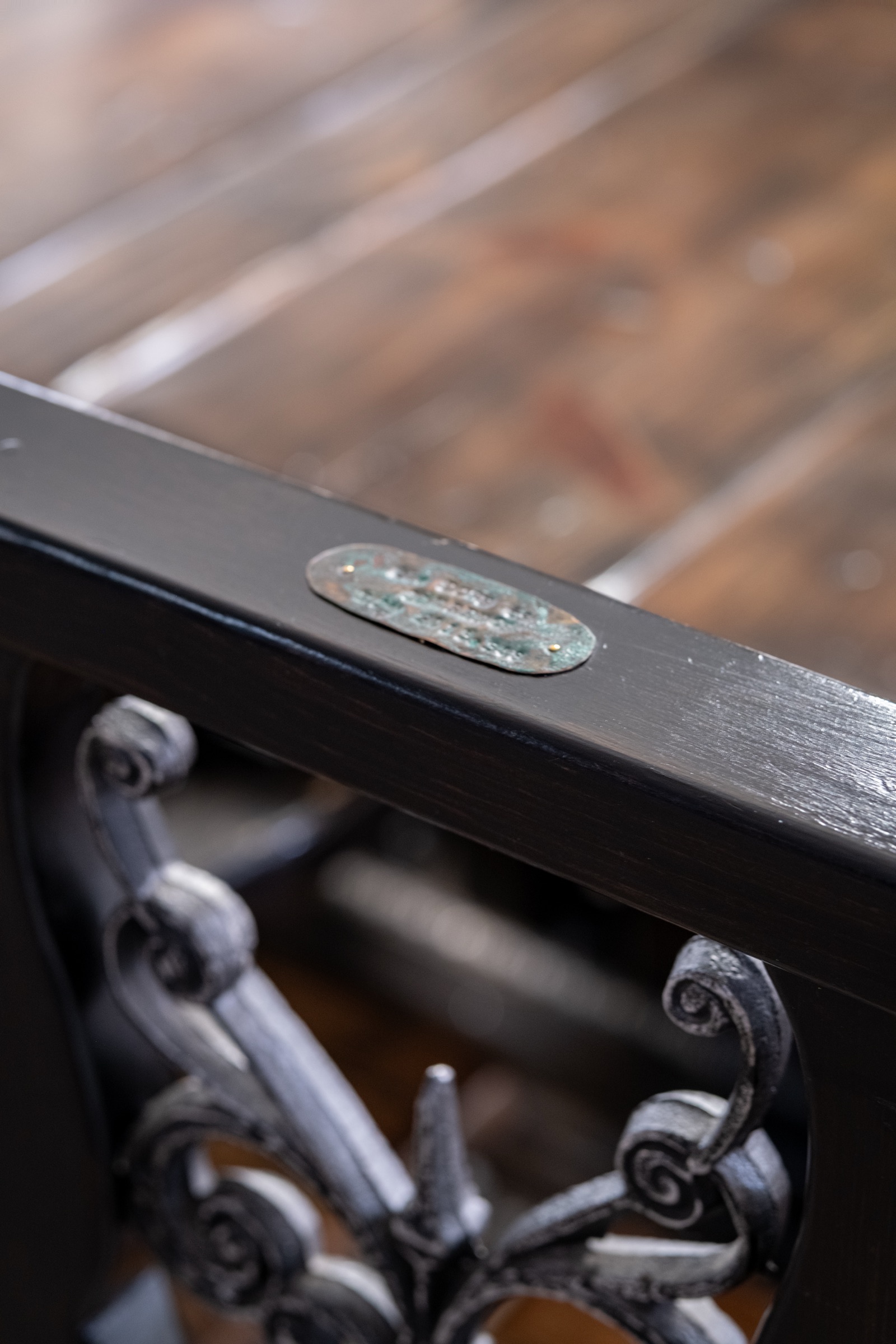
A name gives a piece identity. It’s no longer “the dining table” — it’s Empress Theodora. It becomes a character in your home’s story, something you introduce to guests, something your family refers to by name for decades.
Certificates of Authenticity
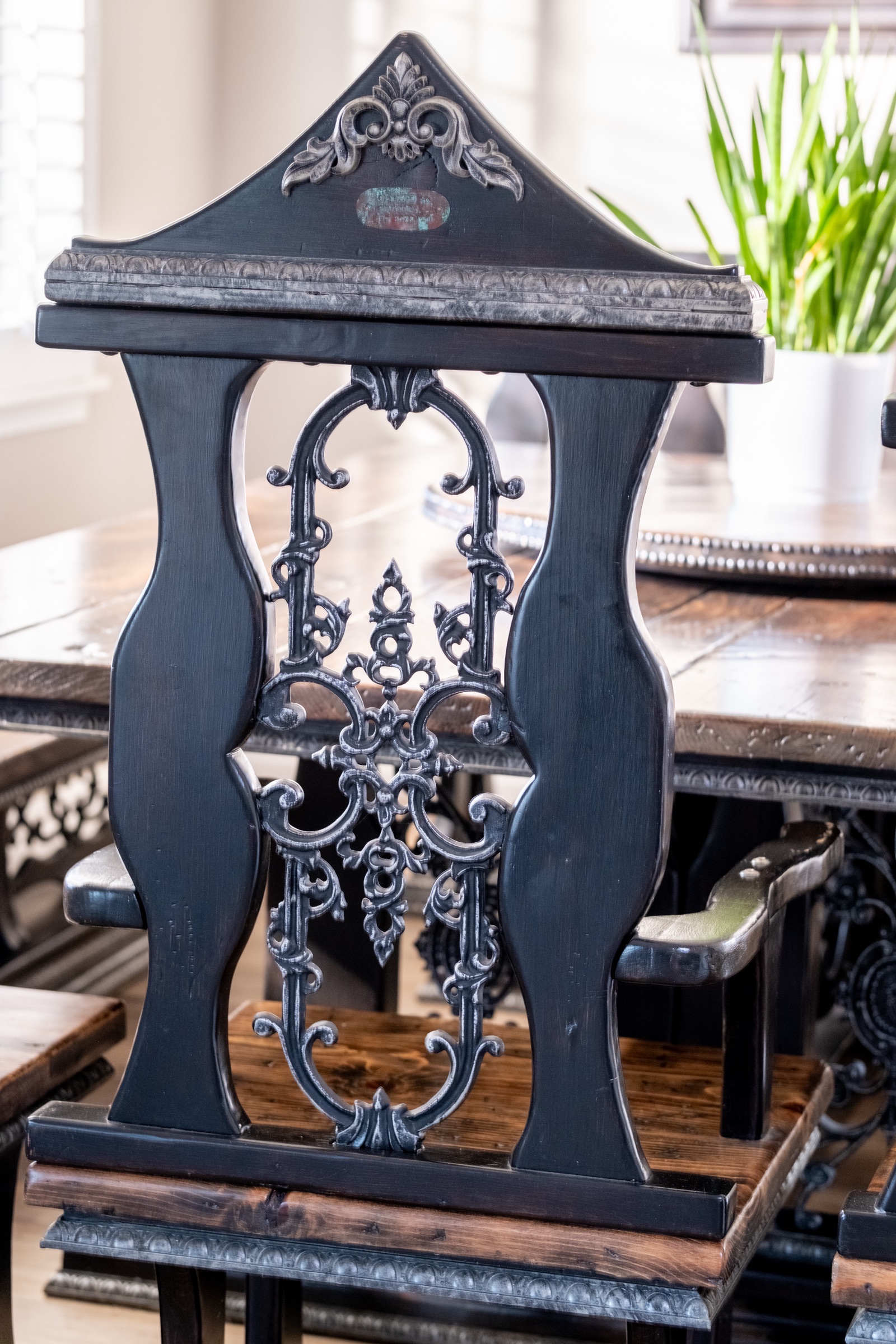
Each commissioned piece comes with a certificate of authenticity — a signed, numbered document that establishes the piece as a one-of-a-kind original work. It’s a practice borrowed from the fine art world, applied to furniture that earns it.
Start Here
If you’re beginning to think about a piece — even if the idea is still vague — that’s exactly the right time to reach out. The best commissions start with a feeling, not a blueprint.